


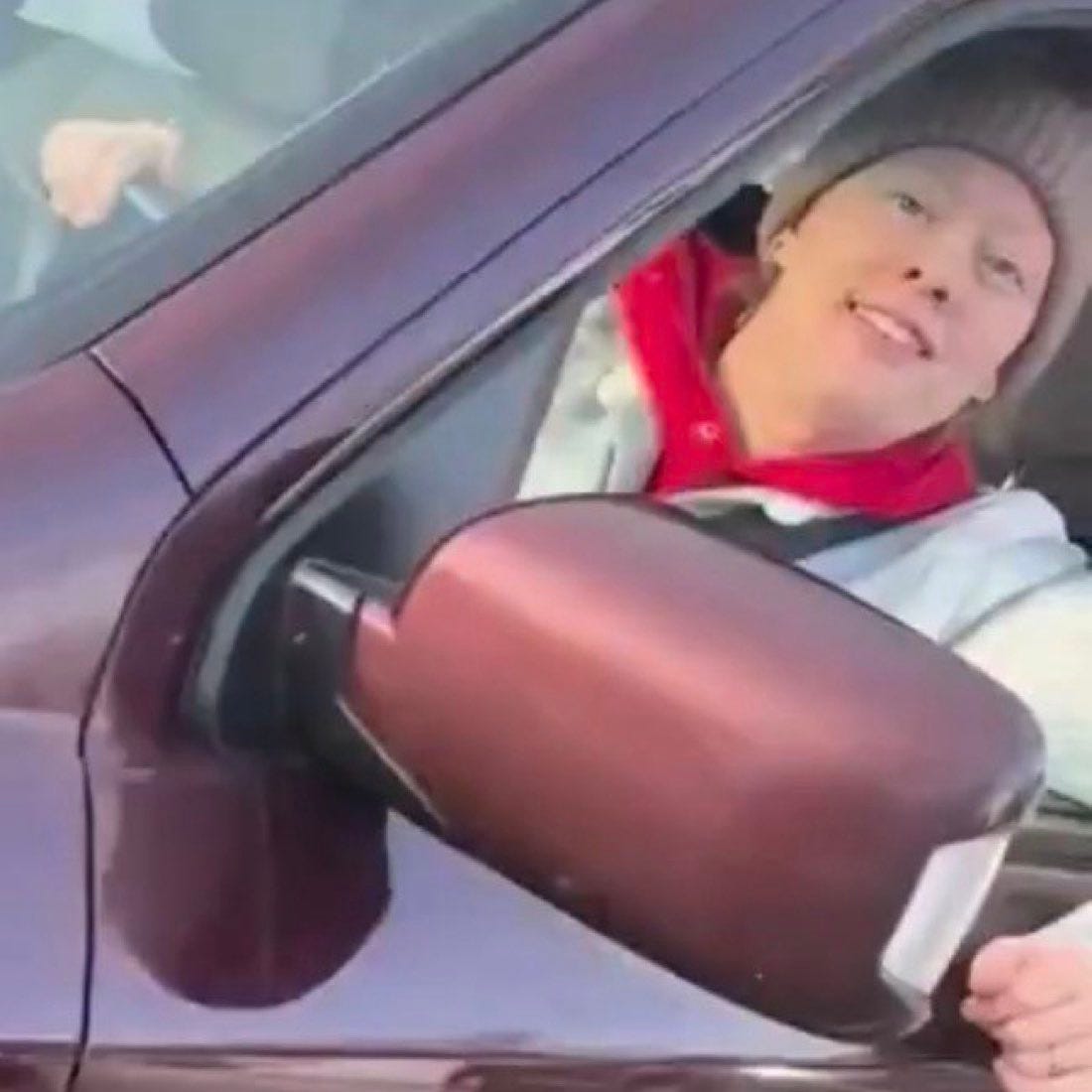
In the frigid streets of Minneapolis on January 7, 2026, a tragic confrontation unfolded that has once again exposed the chasm between reality and the narratives spun by mainstream media. Renee Nicole Good, a 37-year-old mother of three and self-described poet and activist, was fatally shot by an Immigration and Customs Enforcement (ICE) agent during a routine operation. Initial reports painted a harrowing picture of an innocent U.S. citizen gunned down in cold blood, sparking nationwide protests and accusations of federal overreach. But as new footage from the agent’s own cellphone camera has emerged, a far different story comes into focus—one where Good’s actions, fueled by her fervent leftist activism, put lives at risk and escalated a tense situation into deadly violence.
Good was no stranger to political activism. Known in local circles for her outspoken criticism of immigration policies, she had participated in anti-ICE demonstrations and used her platform as a poet to rail against what she called “systemic oppression” under the Trump administration’s renewed enforcement crackdowns.
Her social media feeds were replete with calls to “abolish ICE” and dismantle borders, aligning her with far-left groups that view federal immigration agents as symbols of tyranny. On that fateful day, Good and her companion reportedly trailed ICE agents in their vehicles, harassing them and impeding their work. What began as verbal taunts—”Don’t make a bad decision today,” one agent warned—quickly turned physical. The newly released cellphone video from the agent’s perspective, obtained by outlets like Alpha News and analyzed by multiple sources, provides a raw, unfiltered view of the incident.
In the footage, Good is seen laughing and exchanging words with the agent, Jonathan Ross, just seconds before accelerating her SUV toward him. The video captures the moment of impact: the agent is struck, his body jolted as the vehicle clips him. In self-defense, he fires three shots—first through the windshield as the car bears down, then from the side as it veers away.
Contrary to early claims that Good posed no threat and was simply trying to leave the scene, the agent’s camera shows her wheels turning not away, but initially in his direction, with the gas pedal engaged. This isn’t speculation; it’s documented evidence that Good did a bad thing—she endangered a federal officer’s life in a reckless act of defiance.This revelation shatters the media’s initial spin, which portrayed Good as “some innocent woman” mowed down by trigger-happy ICE enforcers.
Outlets like CNN and The New York Times rushed to highlight the protests, framing the shooting as yet another example of law enforcement brutality against marginalized voices.
Pundits on MSNBC and elsewhere amplified calls for investigations, with some even suggesting the agent be charged with murder before all facts were in. Vice President JD Vance, in a fiery briefing, called out this “media dishonesty,” reposting the video to underscore how the far-left narrative ignored the agent’s peril.
Yet again, the spin has proven false, much like past debacles where hasty reporting fueled division. Remember the “Hands Up, Don’t Shoot” mantra from Ferguson, which turned out to be a myth debunked by forensic evidence and witness testimonies? Or the relentless coverage of the Trump-Russia collusion hoax, peddled for years despite lacking substantiation, only to collapse under scrutiny? The pattern is clear: a left-leaning media ecosystem jumps to conclusions that fit their ideological priors, demonizing law enforcement and conservatives while canonizing those who oppose them.
In Good’s case, the rush to martyr her overlooked her own agency—her choice to confront armed agents, taunt them, and drive aggressively—because it didn’t align with the preferred story of victimhood. Why does the media persist in this leftward tilt? It’s not mere coincidence; it’s institutional capture. Decades of progressive dominance in journalism schools, newsrooms, and editorial boards have created an echo chamber where objectivity is secondary to advocacy, a disparity that breeds groupthink. This bias isn’t just about slanted headlines; it’s about selective omission. In the Good shooting, early reports downplayed the taunts and the agent’s injury, focusing instead on her poetry awards and motherhood to evoke sympathy.
Such framing isn’t journalism—it’s activism masquerading as news. And here’s the most damning part: this biased coverage doesn’t just mislead; it creates political violence. By consistently portraying law enforcement as villains and activists like Good as heroes, the media stokes outrage that spills into the streets. Following the shooting, protests in Minneapolis turned chaotic, with demonstrators chanting “ICE out now” and clashing with police—some even firing gas canisters into crowds, escalating tensions further.
We’ve seen this playbook before: the 2020 riots after George Floyd’s death, fueled by media hype, resulted in billions in damages, dozens of deaths, and widespread destruction. False narratives about “systemic racism” in every police encounter embolden radicals to attack officers, as seen in ambushes on cops across the country. In Good’s case, the media’s rush to judgment has vilified the ICE Agent, who now faces death threats and doxxing from online mobs.
Protesters, inflamed by headlines, have marched in freezing rain, demanding “justice” based on incomplete facts. When the new footage emerged, showing the agent’s split-second decision to protect himself, did the media correct course with apologies? Hardly. Instead, some doubled down, parsing freeze-frames to argue the car “wasn’t really a threat,” ignoring the chaos of the moment.
This isn’t truth-seeking; it’s incitement. The consequences extend beyond one city. A polarized nation, where half the population distrusts institutions because of perceived bias, breeds instability. When media outlets like The Washington Post or NPR frame every enforcement action as “Trump’s crackdown,” they radicalize viewers, making routine operations targets for interference.
Good’s activism, amplified by such coverage, didn’t just lead to her tragic end—it endangers agents nationwide, who now must contend with copycat confrontations. Political violence thrives in this environment: assassination attempts, pipe bombs, and riots all trace back to overheated rhetoric from trusted sources.It’s time to hold the media accountable.
Regulators should enforce fairness doctrines, donors pull funding from biased outlets, and consumers demand better. Until then, incidents like the Good shooting will repeat, with real lives lost to fictional narratives. Renee Good did a bad thing by escalating a confrontation, but the media’s sin is far greater—they fan the flames that burn us all.