


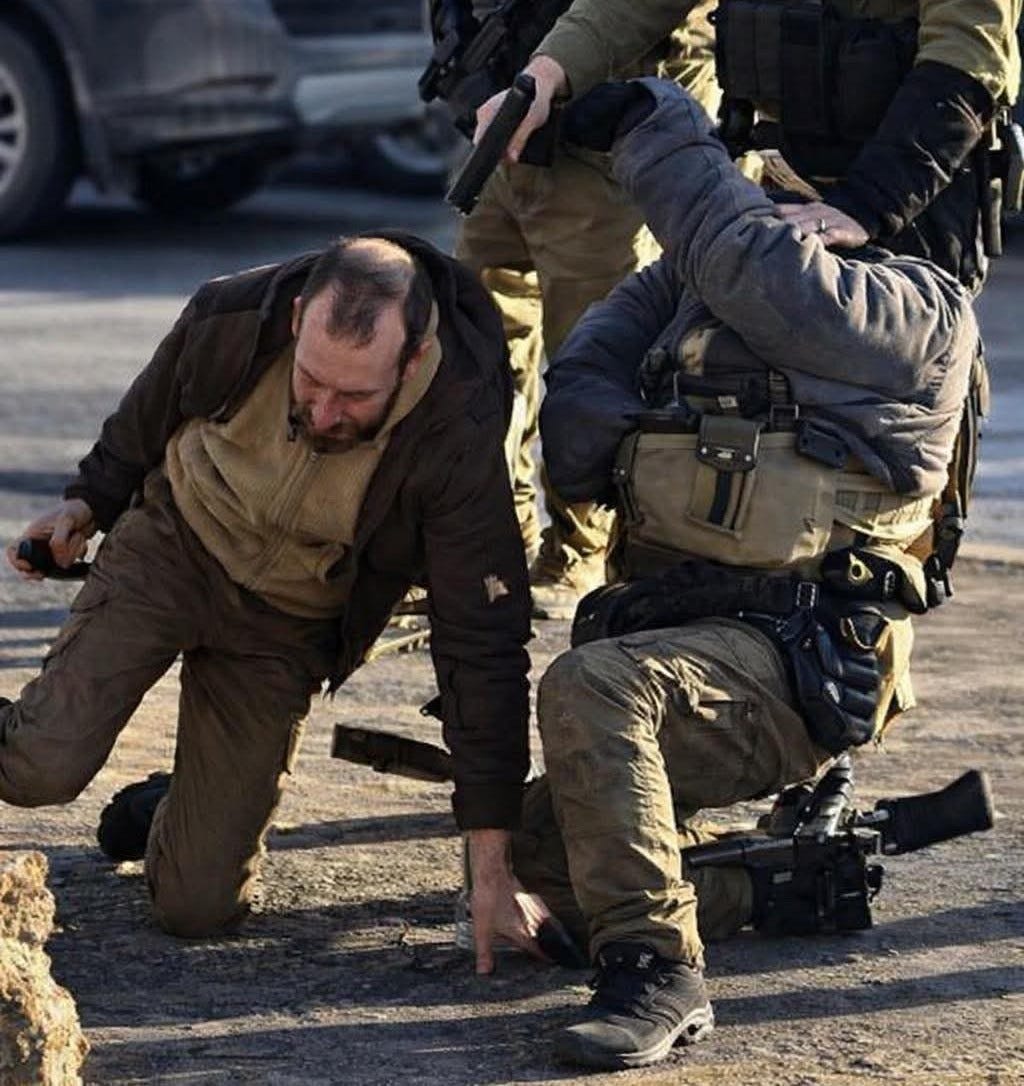
The shooting of Alex Pretti—probably legally justified given the immediate threat posed by an armed and resisting individual with a documented history of prior aggression toward federal agents—remains nevertheless tragic, a needless loss of life that could have been avoided entirely.
In the wake of the January 24, 2026, shooting of Alex Jeffrey Pretti by U.S. Customs and Border Protection (CBP) agents in Minneapolis, the left-leaning media has predictably rushed to paint a picture of an innocent victim gunned down by overzealous federal officers. But let’s cut through the noise and examine the facts. Pretti, a 37-year-old ICU nurse and legal gun owner, wasn’t just a bystander caught in the crossfire of immigration enforcement—he was an active participant in confrontations that escalated dangerously.
Pretti wasn’t a random civilian; he had a history of aggressive encounters with federal agents. Just 11 days prior, on January 13, videos surfaced showing him kicking out the taillight of a federal vehicle during a protest against immigration enforcement. In footage from that incident, Pretti is seen shouting expletives and physically struggling with officers as they take him to the ground.
Video reveals what appears to be a gun in his waistband during the scuffle. This wasn’t peaceful protest—this was vandalism and assault on agents tasked with upholding the law.
Fast-forward to the fatal encounter. According to a government report to Congress, Pretti approached CBP agents during an operation, leading to a physical struggle. Agents yelled “He’s got a gun!” multiple times as they attempted to subdue him. In less than five seconds, two officers fired a total of 10 shots.
Eyewitness videos confirm the chaos: Pretti was recording the agents with his phone, directing traffic, and then resisting when confronted. A CNN analysis of cellphone footage shows an officer removing Pretti’s gun from his holster just before the shots were fired—proving he was armed and the threat was real. In a split-second decision, agents can’t afford to wait for a suspect to draw first. Pretti’s prior aggression only heightens the justification. Videos collectively demonstrate that Pretti’s actions contributed to the escalation. He wasn’t “gunned down in the street despite posing no threat,” as some claim. He was armed, resistant, and had a recent track record of clashing with authorities.
The shooting of Alex Pretti, while probably legally justified given the immediate threat posed by an armed and resisting individual with a documented history of prior aggression toward federal agents, remains nevertheless tragic—a needless loss of life that could have been avoided.
Pretti, like Renee Good before him, chose to insert himself into a volatile confrontation during active federal immigration enforcement operations amid heated protests. Both should have stayed home or, if they felt compelled to voice opposition, engaged in actual peaceful protest without obstructing law enforcement, directing traffic in restricted areas, or physically resisting officers.
Renee Good’s earlier incident on January 7 sparked widespread unrest, yet Pretti—having already clashed with agents just 11 days prior—returned to the scene armed and combative on January 24.
These choices escalated situations where agents, facing potential threats in chaotic environments, had split seconds to decide. The videos clearly show resistance and the presence of a firearm, supporting the agents’ actions under use-of-force guidelines. But tragedy strikes when passion overrides prudence: two American citizens dead in weeks, fueling division instead of dialogue.
The lesson is stark—respect the rule of law, even in disagreement. Obstruction and confrontation don’t advance causes; they invite danger.
yikes. while I want Black Americans to stay OUT of the ICE situation. Saying it's justified what I saw with my own two eyes? nope. I been in combat overseas and not even WE would do that to a combatant. That was murder. You could argue the first shooter, but the second. absolutely not. they murdered him.
Disgusting take. The punishment for being an agitator is not death nor was he aggressive at the time of his murder. This is beyond gross